



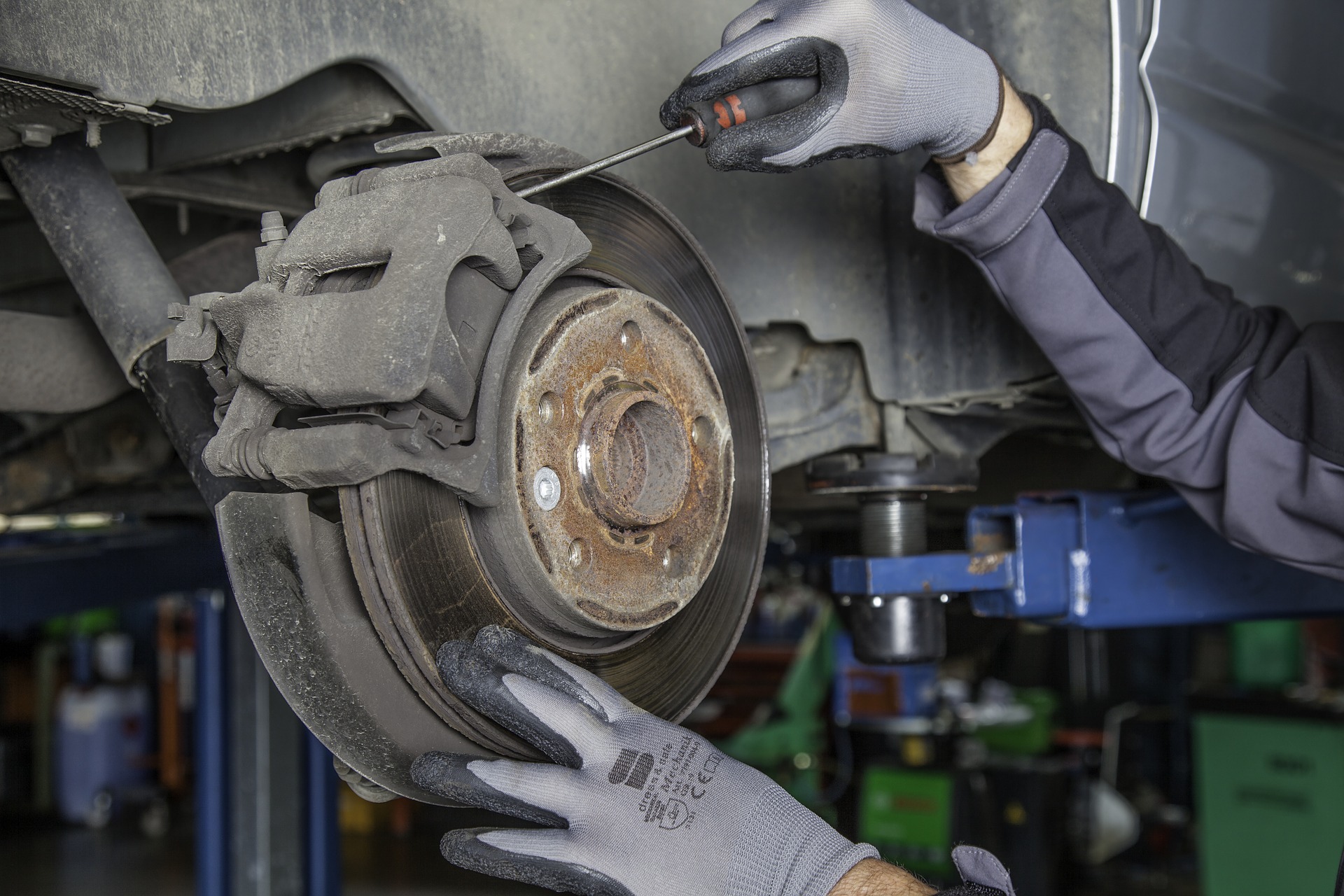
The brakes on a modern Hyundai are extremely reliable, but all braking mechanisms undergo wear and tear and without proper maintenance, they can eventually lose their ability to function properly. Needless to say, you should never allow your brakes to lose function. So if you notice any of the following four signs of trouble, visit your local Hyundai dealer at once for brake repair.
Persistent Brake Fade
Every time your brake pads clamp onto your rotors, a considerable amount of friction and heat is generated. And if you’re braking continually for prolonged periods of time, the components of your brakes will start to overheat.
This overheating can lead to brake fade, which is where you suddenly notice you’re not stopping as quickly as you should be. If you ever experience brake fade, pull over at once and let your car cool down. Your brakes should be fine once they’re back to a normal temperature. But if the problem doesn’t go away, you’ll need to have a mechanic take a look.
Driving Conditions That Put Pressure Brakes
Some driving environments require a great deal more braking than others. Mountainous roads with long downhill stretches need plenty of continuous braking. Driving in heavy traffic with lots of stopping and starting also increases the chance of brake fade.
Vibrations Through the Steering Wheel
When a brake pad overheats significantly, the resin in the upper friction layer can sometimes melt. This resin then coats the rotor disc and hardens into a lumpy mess. If this occurs, you’ll start feeling vibrations through your pedal or steering wheel whenever you brake.
Squealing, Grinding, or Clicking Noises
While braking, pay heed to any odd sounds. High-pitched squealing or a harsh grinding sound of metal on metal means that at least one of your brake pads has worn through and needs replacing. Whereas metallic clicking noises usually mean that a clip or bolt has come loose in your caliper and is rattling around.
Leaking Brake Fluid
Brake fluid is usually yellow. Over time, as it ages, it can fade to a dirty brown color. If you ever see a liquid like this pooling under your car or gathering in the wheel wells, then you have a brake fluid leak.
Without the hydraulic force that brake fluid provides, that particular wheel’s braking mechanism will no longer function. It’s very dangerous to drive with a brake fluid leak, which can cause total brake failure. You’ll need to be towed to your nearest automobile repair shop or dealership for repairs.
How a Hyundai Dealer Examines Your Brakes
First and foremost, a technician will check your brake fluid levels and make sure there are no leaks in the various lines and connections. In order to inspect your braking mechanisms, they’ll raise your car and remove the wheels. They’ll then take off and examine each rotor, brake pad, and caliper. Any issues discovered will be either repaired or the part will be replaced.
Have your brakes inspected and repaired today by qualified professionals at Hyundai of Downtown Los Angeles. We’re a trusted local dealership helping the Hyundai drivers of Los Angeles to enjoy a safer, smoother ride every day.
Connect with us


- June 2026
- May 2026
- April 2026
- March 2026
- February 2026
- January 2026
- November 2025
- October 2025
- September 2025
- August 2025
- July 2025
- June 2025
- May 2025
- April 2025
- March 2025
- February 2025
- January 2025
- December 2024
- November 2024
- April 2023
- March 2023
- February 2023
- January 2023
- December 2022
- November 2022
- October 2022
Archives
Categories
Hyundai of Downtown Los Angeles

Address
3850 S. Figueroa St.
Los Angeles , CA 90037
Phone
- Phone 213-325-1204
| Monday | 9:00AM - 8:00PM |
| Tuesday | 9:00AM - 8:00PM |
| Wednesday | 9:00AM - 8:00PM |
| Thursday | 9:00AM - 8:00PM |
| Friday | 9:00AM - 8:00PM |
| Saturday | 9:00AM - 8:00PM |
| Sunday | 9:00AM - 8:00PM |
| Monday | 8:00AM - 5:00PM |
| Tuesday | 8:00AM - 5:00PM |
| Wednesday | 8:00AM - 5:00PM |
| Thursday | 8:00AM - 5:00PM |
| Friday | 8:00AM - 5:00PM |
| Saturday | 8:00AM - 5:00PM |
| Sunday | Closed |
| Monday | 7:30AM - 6:00PM |
| Tuesday | 7:30AM - 6:00PM |
| Wednesday | 7:30AM - 6:00PM |
| Thursday | 8:00AM - 6:00PM |
| Friday | 7:30AM - 6:00PM |
| Saturday | 8:00AM - 4:00PM |
| Sunday | Closed |
